




The FMCG (Fast-moving consumer goods) industry is known for its rapid pace and notably high demand for products with a short shelf life, such as packaged foods, over-the-counter drugs, toiletries, beverages, candies, and cosmetic items, among others. Since these goods promise a considerably high turnover rate, the market is extensive, complex, and competitive at the same time! After all, ensuring that your cold coffee tetra pack reaches you intact after traveling for miles is not a small feat. To address the obstacles, many companies in the FMCG distribution sector are now turning to ERP (Enterprise Resource Planning) software.
Read on to learn how this digital solution is helping the industry overcome the challenges.
Top 5 Ways ERP Software in Overcoming Challenges in FMCG Distribution
Let's delve into the role of ERP software in combating obstacles in FMCG distribution!
1. Enables Efficient Management of Inventory
Inventory management is one of the biggest challenges in FMCG distribution. With a wide range of products, varying demand patterns, and different shelf lives, accurately tracking inventory can be an overwhelming task. However, ERP software provides real-time visibility into inventory levels, allowing distributors to track stock accurately, avoid stockouts, and reduce excessive inventory. Besides, the software enables automatic replenishment alerts, thus ensuring the timely placement of orders, preventing delays, and reducing manual errors.
2. Acts as a One-stop Solution
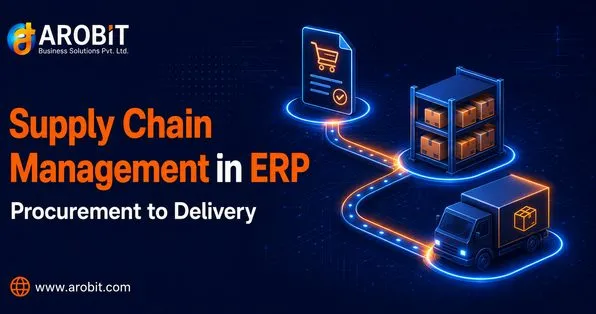
Managing the complex supply chains involved in FMCG distribution demands diligence with regard to suppliers, manufacturers, and retailers, and ERP software helps you achieve just that. It acts as a centralized platform that integrates all these processes, providing real-time visibility into the entire supply chain. This visibility allows distributors to track the movement of goods, monitor supplier performance, and ensure timely deliveries. Further, ERP software automates purchase orders, invoices, and shipping documentation, reducing manual paperwork and enhancing accuracy.
3. Provides Accurate Forecasting
An ERP system also has multifaceted forecasting capabilities as explained under -
-
Demand Forecasting
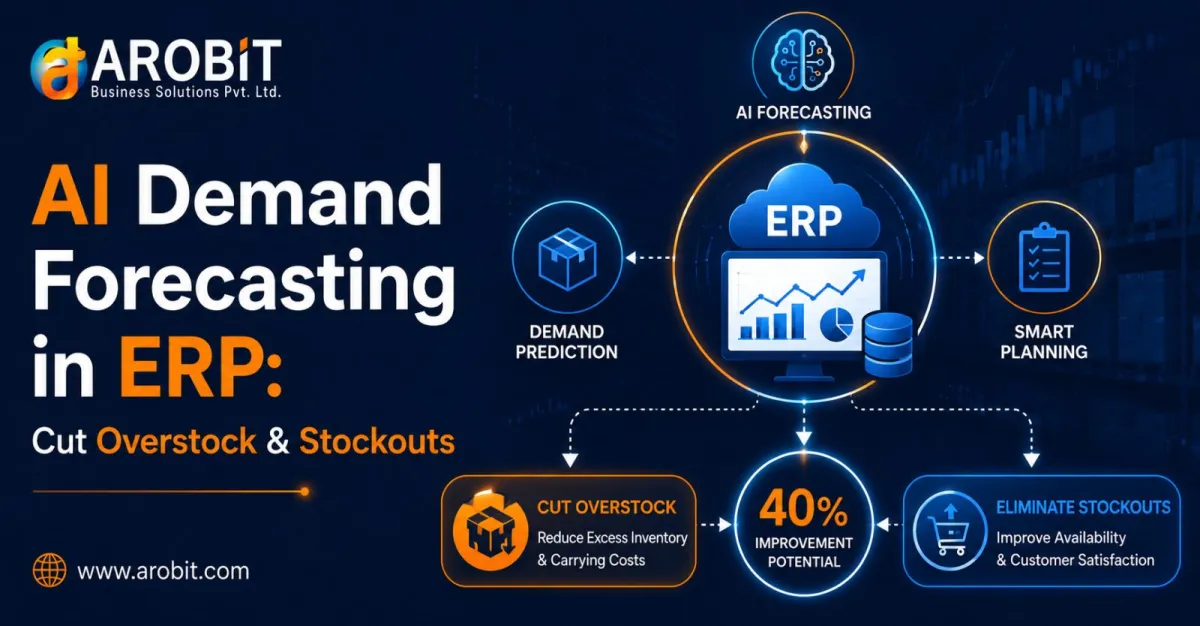
FMCG distributors often struggle with ambiguous and ineffective demand forecasting due to varying market trends and customer behavior. However, ERP software leverages historical data and market insights to accurately forecast demand and optimize inventory levels. This significantly curbs the risk of overstocking obsolete items and ensures that the right products are available when customers need them. This, in turn, also helps FMCG distributors make informed decisions, boost profitability, and stay above the cut.
-
Supply Forecasting
Figuring out the best timing for purchasing products and planning production is key to meeting customer needs on time. Balancing the time it takes to get supplies while making sure there's enough product available on the shelves is vital for keeping both customers and suppliers happy. To do this well, companies need to have a good handle on their processes and inventory. This is where financial forecasting enters the frame.
-
Financial Forecasting
By keeping track of expenses and budgets in real-time, companies can predict how much money they will need and how much product they will sell. It also helps them keep an eye on any changes in costs that could affect their profits. With up-to-date information, management can keep a close eye on how much money they're spending and make adjustments quickly if needed. Plus, being able to respond quickly and accurately helps management stay on top of their finances. They can see how much money is coming in and going out and make smart decisions about how to use their resources.
4. Enhances Customer Relationship Management
ERP software allows distributors to track customer orders, manage invoices, and improve customer relationship management. By streamlining these processes, distributors can resolve issues promptly and provide a better overall customer experience. This enhances customer satisfaction and aids in building positive and long-term relationships.
5. Improved Reporting and Analytics
The availability of accurate and timely data is crucial for making informed business decisions in the FMCG industry. The ERP software, with its robust reporting and analytics capabilities, allows distributors to generate customized reports on sales, inventory, and financials. That is how it empowers FMCG distributors to stay agile and make strategic decisions for long-term growth.
The Bottom Line
Reliable ERP software developed by a leading ERP development company like Arobit Business Solutions Pvt Ltd. can bring significant benefits to the FMCG distribution industry. It can enable the distributors to tackle all of the aforementioned hurdles, and any other roadblocks that may come up in the process. Get in touch with us to learn how we can help you.
Add Arobit Business Solutions Pvt. Ltd. to your Google News feed 




Comments
No comments yet. Be the first to share your thoughts!