




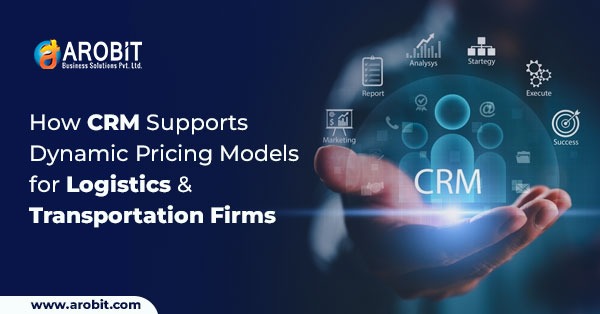
The logistics and transportation industry operates in an environment where fuel costs fluctuate, demand shifts seasonally, and customer expectations continue to rise. In this complex landscape, dynamic pricing has emerged as a powerful strategy to optimize revenue while maintaining competitiveness. At the heart of successful dynamic pricing implementation lies a robust CRM for logistics and transportation that transforms raw data into actionable pricing intelligence.
Understanding Dynamic Pricing in Transportation
Dynamic pricing allows logistics companies to adjust rates based on real-time factors such as fuel costs, route demand, vehicle availability, and seasonal trends. Unlike static pricing models, this approach enables firms to capture maximum value during peak periods while remaining competitive during slower times. However, managing such complexity requires sophisticated systems that can process multiple data points simultaneously.
This is where modern CRM for logistics and transportation solutions becomes invaluable. These platforms consolidate customer history, market trends, and operational data into a single ecosystem that supports intelligent pricing decisions.
How CRM Systems Enable Dynamic Pricing
Real-Time Data Integration
A well-implemented CRM system collects data from multiple touchpoints, including customer interactions, shipment tracking, route performance, and market conditions. This comprehensive data foundation allows pricing algorithms to consider factors such as
- Historical shipping volumes per customer
- Route profitability and capacity utilization
- Seasonal demand patterns
- Customer payment reliability
- Competitive pricing in specific corridors
Customer Segmentation for Targeted Pricing
Advanced CRM for logistics and transportation platforms enables sophisticated customer segmentation based on shipping frequency, volume commitments, payment terms, and relationship value. This segmentation supports tiered pricing strategies where loyal, high-volume customers receive preferential rates while occasional shippers pay market rates. The system automatically applies appropriate pricing rules to each segment, ensuring consistency and fairness.
Predictive Analytics for Demand Forecasting
CRM systems equipped with analytics capabilities can forecast demand patterns by analyzing historical data. When the system predicts increased demand for specific routes or services, it can automatically suggest price adjustments to optimize capacity utilization. Conversely, during predicted slow periods, the CRM can identify opportunities for promotional pricing to maintain fleet utilization.
The Role of Custom CRM Solutions
While off-the-shelf CRM systems offer basic functionality, logistics firms with unique pricing requirements often benefit from working with a CRM development company that understands industry-specific challenges. Custom solutions can integrate directly with transportation management systems, GPS tracking platforms, and fuel price APIs to create a seamless pricing ecosystem.
A specialized custom CRM development approach allows transportation companies to build features specifically designed for their operational model, whether they focus on last-mile delivery, freight forwarding, or specialized cargo services.
Key Benefits of CRM-Driven Dynamic Pricing
Improved Profit Margins: By adjusting prices based on real-time costs and demand, companies can protect margins during expensive operational periods while remaining competitive when conditions are favorable.
Enhanced Customer Relationships: CRM systems ensure that loyal customers receive recognition through pricing that reflects their relationship value, fostering long-term partnerships rather than transactional interactions.
Faster Quote Generation: Automated pricing rules within the CRM enable sales teams to generate accurate quotes instantly, improving response times and customer satisfaction.
Competitive Intelligence: Tracking won and lost deals within the CRM provides insights into competitive positioning, helping firms refine pricing strategies based on market feedback.
Reduced Revenue Leakage: Automated approval workflows for discounts and special pricing prevent unauthorized rate reductions that erode profitability.
Implementation Considerations
Successfully implementing dynamic pricing through a CRM requires careful planning. Companies should start by defining clear pricing objectives, establishing data quality standards, and training teams on the new approach. Integration with existing systems must be seamless to ensure data flows accurately between platforms.
Change management is equally important. Sales teams accustomed to manual pricing may initially resist automated systems. Demonstrating how CRM tools simplify their work while improving conversion rates helps gain adoption.
The Competitive Advantage
In an industry where margins are often thin and competition is fierce, the ability to price strategically in real time provides a significant competitive advantage. CRM for logistics and transportation transforms pricing from a static, reactive process into a dynamic, proactive strategy that responds to market conditions while protecting customer relationships.
Transportation firms that leverage CRM technology for dynamic pricing position themselves to capture more value from their operations, respond quickly to market changes, and build stronger customer relationships through transparent, fair pricing practices.
Conclusion
Dynamic pricing represents the future of logistics and transportation pricing strategy. With the support of comprehensive CRM for logistics and transportation systems, firms can implement sophisticated pricing models that balance profitability with customer satisfaction. As the industry continues to evolve, companies that invest in technology-driven pricing capabilities will be best positioned to thrive in an increasingly competitive marketplace.
Frequently Asked Questions
Q: How quickly can a CRM system adjust prices for dynamic pricing models?
A: Modern CRM systems can adjust prices in real-time based on predefined rules and triggers. Once parameters are set, the system automatically calculates appropriate rates based on current conditions, enabling instant quote generation without manual intervention.
Q: Will dynamic pricing through CRM damage customer relationships?
A: When implemented properly, dynamic pricing actually strengthens relationships. The CRM ensures consistent application of pricing rules and recognizes loyal customers with preferential rates. Transparency about pricing factors and personalized treatment based on relationship value typically enhance customer satisfaction.
Q: What data does a CRM need to support effective dynamic pricing?
A: Essential data includes customer shipping history, route performance metrics, fuel costs, competitor rates, seasonal trends, capacity utilization, and customer profitability. The CRM should integrate with operational systems to access real-time information for accurate pricing decisions.
Q: Can small logistics companies benefit from CRM-based dynamic pricing?
A: Absolutely. While large enterprises may have more complex needs, small- to mid-sized logistics firms often see proportionally greater benefits from dynamic pricing. Modern CRM solutions are scalable and can be tailored to match company size and operational complexity.
Q: How long does it take to implement dynamic pricing in a CRM system?
A: Implementation timelines vary based on system complexity and integration requirements. Basic dynamic pricing rules can be configured in weeks, while comprehensive custom solutions may require several months. Working with experienced implementation partners accelerates the process and ensures successful adoption.



Comments
No comments yet. Be the first to share your thoughts!