




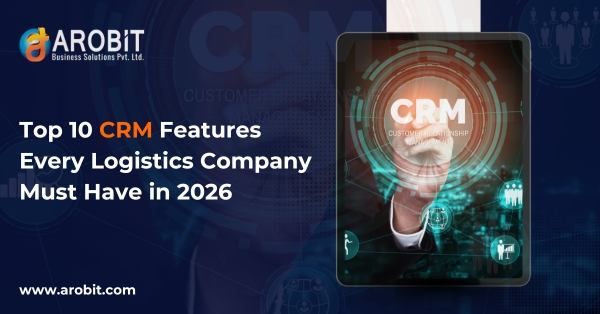
The logistics industry has undergone a remarkable transformation over the past decade. From manual tracking systems to AI-powered automation, technology has revolutionized how companies manage their supply chains and customer relationships. In 2026, a robust Customer Relationship Management (CRM) system isn't just a nice-to-have tool—it's the backbone of successful logistics operations. As customer expectations for real-time visibility, seamless communication, and faster deliveries continue to rise, logistics companies must invest in CRM solutions that address their unique operational challenges. This article explores the top 10 CRM features that every logistics company needs to stay competitive and deliver exceptional service in today's fast-paced market.
Why Logistics Companies Need Specialized CRM Solutions
The logistics industry faces unique challenges that generic CRM systems simply weren't designed to handle. Managing complex supply chains, coordinating with multiple stakeholders including drivers, warehouse staff, clients, and vendors, and dealing with constantly changing delivery schedules requires specialized functionality.
Traditional CRMs focus primarily on sales pipelines and customer communication, but logistics operations demand much more. A specialized logistics CRM must track shipments in real-time, manage fleet operations, handle documentation, ensure regulatory compliance, and provide visibility across the entire supply chain.
The ROI of implementing the right CRM solution is substantial. Companies report:
- 30-40% reduction in customer service response times
- 25% improvement in on-time delivery rates
- 20% decrease in operational costs through better resource allocation
- Significant increases in customer satisfaction and retention
Partnering with a custom CRM development provider who understands logistics-specific requirements can make the difference between a system that merely stores data and one that drives operational excellence. A professional CRM development company can tailor solutions to your exact workflow, ensuring every feature adds measurable value to your operations.
10 Essential CRM Features for Logistics Success in 2026
1. Real-Time Shipment Tracking & Visibility
Modern customers expect to know exactly where their shipments are at any given moment. Real-time tracking capabilities integrated directly into your CRM are non-negotiable.
Key components include:
- GPS and IoT device integration for live location updates
- Customer self-service tracking portals
- Automated status notifications via multiple channels
- Exception alerts for delays or route deviations
Benefits: Complete transparency reduces customer anxiety and inquiry volume, while giving your team instant visibility to proactively address issues before they escalate.
2. Automated Communication & Multi-Channel Support
Communication is the lifeline of logistics operations. Your CRM should automate routine communications while maintaining a personal touch.
Essential features:
- Multi-channel messaging (email, SMS, WhatsApp, in-app notifications)
- Automated delivery confirmations and ETA updates
- Delay alerts with alternative solutions
- AI-powered chatbot integration for 24/7 customer support
Benefits: Automated communication reduces manual workload by up to 60% while ensuring customers stay informed throughout the delivery journey.
3. Advanced Analytics & Reporting Dashboard
Data-driven decision-making separates industry leaders from followers. Your CRM should transform raw data into actionable insights.
Must-have analytics:
- Real-time performance metrics (on-time delivery rates, customer satisfaction scores)
- Predictive analytics for demand forecasting
- Custom report generation for different stakeholders
- Visual dashboards for quick performance assessment
Benefits: Identify bottlenecks, optimize routes, allocate resources efficiently, and make strategic decisions backed by concrete data rather than assumptions.
4. Route Optimization & Fleet Management Integration
Efficient route planning directly impacts profitability and customer satisfaction.
Critical capabilities:
- Integration with route planning and optimization software
- Real-time traffic and weather consideration
- Fuel consumption tracking and cost analysis
- Driver performance monitoring and scoring
Benefits: Reduce fuel costs by 15-20%, improve delivery times, and maximize fleet utilization while minimizing wear and tear on vehicles.
5. Document Management & Digital Proof of Delivery
Paperwork is the bane of logistics operations. Digital document management streamlines processes and reduces errors.
Key features:
- Electronic signature capture on mobile devices
- Photo documentation of deliveries and damages
- Automated invoice and bill of lading generation
- Cloud-based storage with instant retrieval
Benefits: Eliminate paper trails, resolve disputes quickly with digital proof, and reduce document processing time by up to 70%.
6. Customer Portal & Self-Service Options
Empowering customers to manage their own shipments reduces support burden while improving satisfaction.
Portal functionalities:
- Online quote requests and instant booking
- Complete shipment history and documentation access
- Real-time tracking without contacting support
- Invoice viewing and online payment options
Benefits: Customers appreciate the convenience, and your team can focus on complex issues rather than routine status inquiries.
7. AI-Powered Predictive Insights
Artificial intelligence transforms your CRM from a reactive tool to a proactive business partner.
AI capabilities:
- Accurate delivery time predictions based on historical patterns
- Customer churn risk identification and prevention alerts
- Automated lead scoring and prioritization
- Demand pattern recognition for capacity planning
Benefits: Address problems before they occur, retain valuable customers, and allocate resources where they'll have the greatest impact.
8. Mobile-First Design & Offline Capabilities
Your drivers and field team need access to CRM data regardless of connectivity.
Mobile requirements:
- Intuitive driver apps for delivery management
- Offline data capture with automatic sync
- Real-time updates from the field
- Easy photo and signature capture
Benefits: Field teams work efficiently even in remote areas, data capture is accurate and immediate, and office staff receive real-time updates.
9. Integration Capabilities with Third-Party Systems
No system operates in isolation. Your CRM must connect seamlessly with your existing technology stack.
Integration essentials:
- ERP system connectivity for unified operations
- Accounting software integration for automated billing
- E-commerce platform connections for order management
- Open API for custom integrations
Benefits: Eliminate data silos, reduce manual data entry errors, and create a unified view of operations across all systems.
10. Compliance Management & Regulatory Tracking
Regulatory compliance is complex and costly when managed manually.
Compliance features:
- Automated documentation for regulatory requirements
- Customs and cross-border shipping compliance tools
- Safety inspection and maintenance record keeping
- Complete audit trails for all transactions
Benefits: Reduce compliance risks, avoid costly penalties, and expedite international shipping with properly maintained documentation.
Choosing the Right CRM for Your Logistics Business
When evaluating CRM solutions, consider these critical factors:
- Scalability: Can the system grow with your business?
- Customization: Does it adapt to your unique workflows, or must you change your processes to fit the software?
- Support: What level of training and ongoing support does the vendor provide?
- Cost structure: Understand both initial investment and long-term total cost of ownership.
Working with an experienced CRM development company that offers custom CRM development services ensures you get a solution tailored to your exact needs rather than forcing your operations into a generic template.
Frequently Asked Questions
What are the major features of CRM?
The major CRM features include contact management, sales pipeline tracking, communication tools, analytics and reporting, task automation, customer service capabilities, and integration with other business systems. For logistics companies specifically, additional critical features include shipment tracking, fleet management, route optimization, and compliance tools.
What are the 7 C's of CRM?
The 7 C's of CRM are Customer (understanding customer needs), Clarity (clear communication), Consistency (uniform experience), Customization (personalized interactions), Connection (building relationships), Collaboration (teamwork across departments), and Coordination (aligning processes and systems to serve customers effectively).
What are the 4 pillars of CRM?
The 4 pillars of CRM are operational CRM (automating business processes like sales and service), analytical CRM (analyzing customer data for insights), collaborative CRM (sharing customer information across departments), and strategic CRM (customer-centric business strategy focusing on long-term relationships and value creation).
Conclusion
The logistics industry in 2026 demands more than basic customer management—it requires intelligent, integrated systems that orchestrate complex operations while delivering exceptional customer experiences. The 10 CRM features outlined above represent the foundation of competitive logistics operations. From real-time tracking to AI-powered insights, each feature addresses specific challenges that logistics companies face daily.
Implementing the right CRM solution drives measurable competitive advantages: faster deliveries, happier customers, lower costs, and better resource utilization. Whether you're evaluating existing systems or building a new solution, these features should guide your decision-making process.
Take time to evaluate your current CRM capabilities against this checklist. Identify gaps, prioritize improvements, and consider partnering with specialists who understand both CRM technology and logistics operations. Your investment in the right CRM system today will determine your competitive position tomorrow.


Comments
No comments yet. Be the first to share your thoughts!